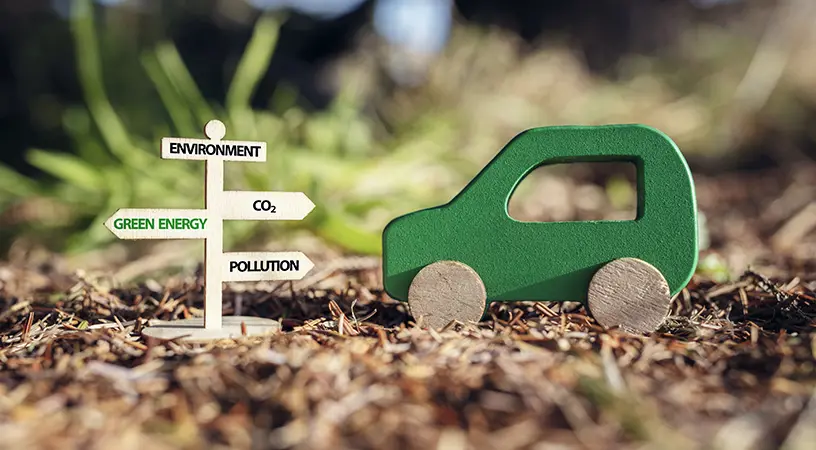
Why Transportation Matters for Canada’s Climate
In 2024, transportation was the second largest source of greenhouse gas emissions in Canada, making up 22% of the national emissions, or 151 megatonnes (one megatonne equals one million tonnes) of carbon dioxide equivalent. A substantial portion of these emissions comes from the vehicles that Canadians drive every day.
Emissions from passenger cars have fallen since 1990, but emissions from pickups, SUVs, and vans have more than doubled as Canadians shift toward driving bigger vehicles.
Replacing gas-burning vehicles is one of the most direct ways to reduce Canada’s total emissions.
How Do EVs Help the Environment?
So how can EVs reduce Canada’s greenhouse gas emissions and affect climate change? Here are the three main ways they can make a big difference:
- No tailpipe: Since battery-powered EVs don’t burn fuel, they don’t release exhaust while driving. This helps local air quality and reduces emissions that contribute to global climate change.
- Far more efficient: An electric motor turns most of the battery’s energy into motion, while a gas-powered engine loses most of its fuel’s energy as heat. This means an EV uses much less energy to cover the same distance.
- Regenerative braking: When an EV slows down, the motor works in reverse and sends energy back to the battery instead of wasting it as brake heat.
What About the Battery?
While EVs don’t emit the same level of emissions as gas-powered vehicles, building an EV produces more, mostly because manufacturing the battery requires a lot of energy and mined materials.
Over the lifetime of a vehicle, any type of vehicle will release emissions, even if it doesn’t come from a tailpipe. Mining materials to build the vehicle, manufacturing the vehicle, driving, and disposal once the vehicle reaches the end of its life will contribute to greenhouse gas emissions.
An EV starts life with a higher emissions debt, due to the significant environmental costs from mining and manufacturing. But EVs pay this back over time, because they emit far less while driving. After that point, EVs pull ahead for as long as they’re on the road. TD Economics found that a battery-electric vehicle’s manufacturing emissions are about twice compared to a gas vehicle, but over an 18-year lifetime, an EV’s emissions average 70% to 77% lower across Canada.
Once an EV reaches its end of life, its battery can also be recycled, reducing the need for new material mining.
Are EV Charging Stations Powered by Fossil Fuels?
The short answer is it depends. Charging stations draw their power from the local power grid, so it will depend on how your region generates electricity. For most of Canada, the grid is very clean.
80% of Canada’s electricity comes from sources that don’t emit greenhouse gases, like hydro, nuclear, wind, and solar. In fact, hydro contributes 57% of the total power to Canada’s power grid. But there is regional variation. Quebec, British Columbia, and Manitoba run mostly on hydro. Alberta, Saskatchewan, and Nova Scotia rely more on fossil fuels, so an EV’s benefit would be smaller in these provinces.
Luckily, Canada’s electricity sector is relying less on fossil fuels, reducing emissions by 57% between 2005 and 2024. As Canada’s power grid becomes cleaner, so do EVs.
Do Hybrid Cars Emit More CO2 Than EVs?
Yes, a hybrid emits more than a fully electric vehicle but is still a greener option compared with gas-only vehicles.
A conventional hybrid typically cuts fuel use and carbon dioxide emissions by 20% to 40%, compared with a similar gas-powered vehicle. Plug-in hybrids can reduce emissions even further, but their benefit depends on how much of the driving can be done on electricity only.
Keep Your EV on the Road Longer to Maximize Its Climate Benefit
The longer your EV continues to run, the bigger its climate benefit. Even with fewer moving parts and no oil changes, your EV still needs routine maintenance because of the stress from the heavy battery and instant torque.
During routine maintenance, your NexDrive technician will check your battery health and the cooling system that protects the battery, ensuring your EV continues to run on the best range possible. They’ll inspect the brakes for rust or seizing since regenerative braking reduces reliance on friction brakes. They’ll also look over your tires for signs of damage, another factor that can affect your battery’s range.
EVs carry high voltage and can be dangerous for technicians who aren’t trained to work on them. NexDrive technicians are certified to work on these systems safely and know exactly what to look for to extend the life of your EV.
Making the switch to an EV can significantly reduce your greenhouse gas emissions, especially if your vehicle stays in great shape. For questions and expert service related to your EV, find a NexDrive location near you to book an appointment.
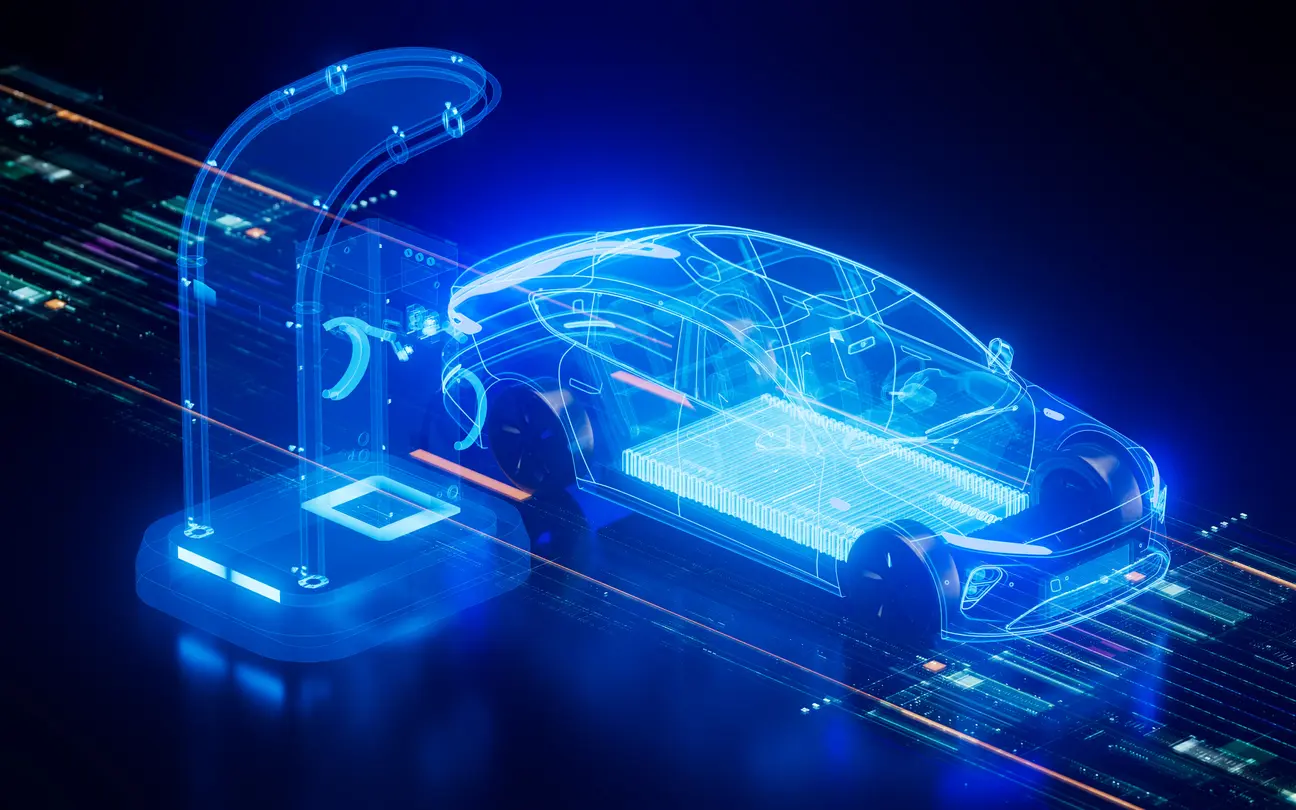
How battery thermal management systems work
Your EV’s battery thermal management system helps to improve battery performance and to keep the battery at a safe temperature. Learn how.
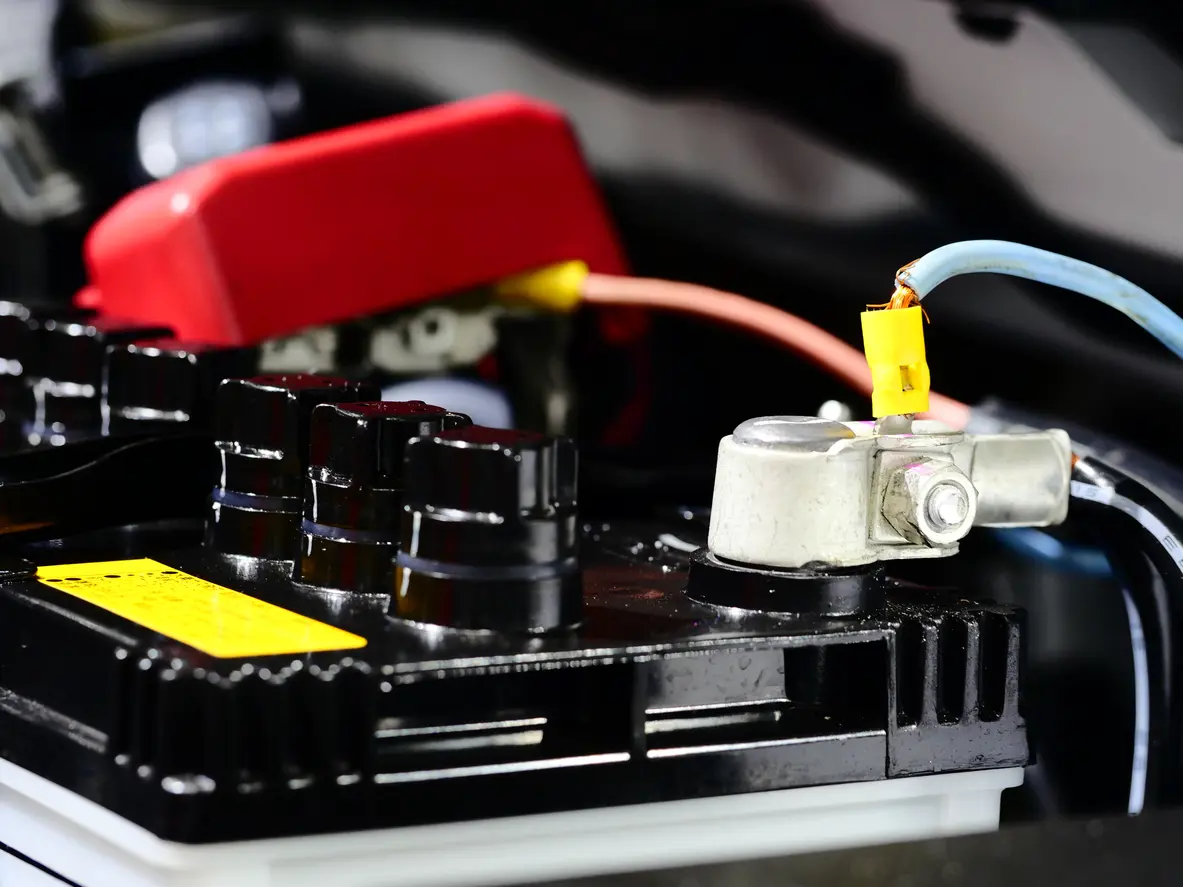
Can you jump-start a hybrid or electric vehicle?
Need to jump-start your EV or hybrid? Learn what functions the high-voltage and auxiliary batteries in your vehicle serve so you can do so with confidence.
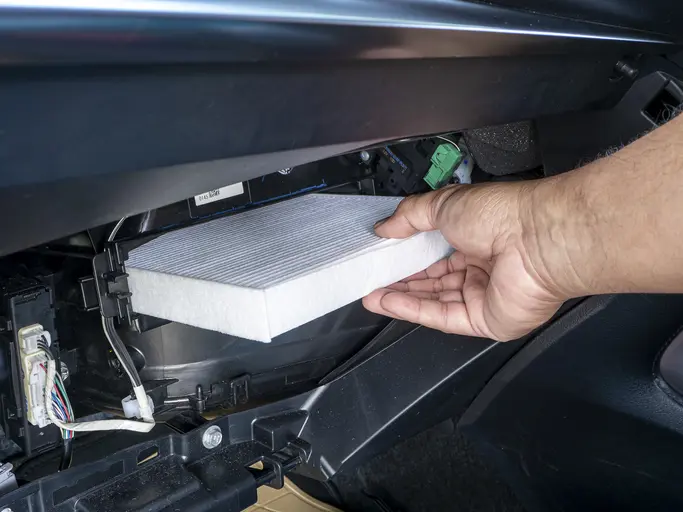
How to maintain your EV’s filters
Gas-powered and electric vehicles (EVs) sometimes have different filter requirements. Learn what filters EVs have and how to maintain them.